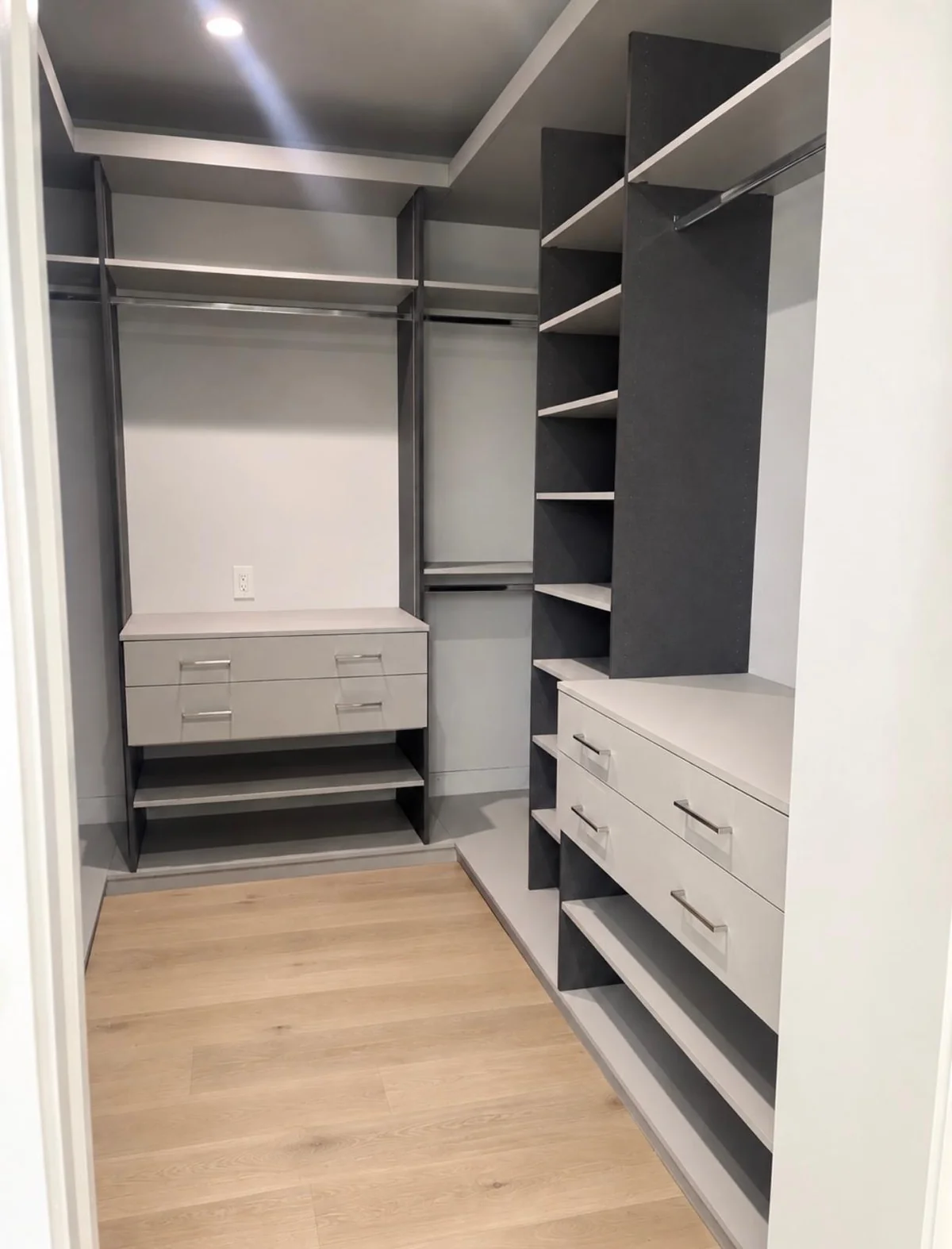
Seasonal wardrobe storage in a South Florida home works best when it follows how you live, not a fixed four-season calendar. Keep clothing you wear regularly within comfortable reach, give travel and occasional pieces a defined place, and record what stays in the home between visits. The aim is to find what you need without unpacking the rest of the closet.
Which clothes actually need a separate storage area?
Look at the next few months of use rather than sorting everything by the label summer or winter. Everyday clothing may remain useful throughout the year, while a heavy coat might be needed only for a trip. An occasion outfit could need convenient access even if you wear it infrequently.
For a Delray Beach or Boynton Beach home, consider three practical situations: getting dressed on an ordinary day, preparing for travel, and returning after time away. Assign a place to clothing that serves each situation. The same garment may move between them; the categories should help you, not create another rule to maintain.
Before storing anything, decide whether you still want it. Keeping an unworn piece for another year should be a choice, not the result of putting it somewhere you cannot see.
How do you stop travel clothing from taking over everyday storage?
Keep items you need together for a particular trip near one another when their care requirements allow it. A note identifying travel layers, footwear and accessories can help you locate them without searching every shelf.
Do not bury a coat needed for an upcoming trip beneath items you will not use for months. Frequency of use is only one part of access; the next known need matters too.
Separate shoes and bags from clothing when considering space. Tall footwear and structured bags need different clearances from a folded tee. Our Delray Beach shoe and handbag storage guide explains how to plan around those shapes without compressing a collection into identical compartments.
What makes stored clothing easy to find again?
Use a short description that tells you what is inside, such as travel layers or occasion clothing. A label saying miscellaneous gives you little reason to trust that you have found the right container.
Keep a simple note on your phone listing the category and its location. If you split time between homes, add which items remain at each address. That can make packing decisions clearer than trying to remember whether a particular jacket traveled with you last time.
When a container holds several categories, consider whether you will have to unpack unrelated things to reach one item. Smaller, clearly defined groups can be more manageable, but check their actual dimensions before planning shelves around them. Labels and an inventory are organization tools; they do not replace garment-care instructions.
Where should less-used clothing go in a smaller closet?
Begin with a location you can access safely and use without moving daily clothing every time. Less-used does not automatically mean the highest shelf. Consider the weight of what you store and how you will remove it.
In a reach-in closet, the opening can limit access to a shelf even when space exists behind the door. Check the route out as well as the space inside. A container that fits tightly might still be difficult to lift and return.
Our Boynton Beach reach-in closet guide offers more ways to evaluate that access. Before moving overflow into a guest closet, decide what space should remain available for someone staying in the room.
What should you check before leaving clothing between visits?
Review the clothing and storage area before an extended absence. In its guidance on closing a seasonal Florida home, University of Florida IFAS Extension recommends leaving only clean clothes in closets, allowing space between garments for air circulation, and avoiding tightly wrapping garments in plastic.
Follow the clothing maker's guidance for cleaning, folding, hanging and coverings. Do not choose a storage method solely because it creates the smallest package. If an item needs particular care, plan room for that care rather than forcing it into the same arrangement as everything else.
Make a brief return checklist: where the clothing is, which pieces should be inspected, and anything that needs attention before use. If someone checks on your home while you are away, tell them about any known storage concerns rather than assuming they will discover them.
Can a new closet solve a moisture problem?
New shelves or drawers are not a substitute for addressing leaks, condensation or a damp storage environment. The EPA's guide to mold and moisture identifies moisture control as the key to mold control.
If you notice persistent dampness, water damage or a musty smell, have the concern assessed rather than covering it with new cabinetry or packing more clothing into the area. Choose appropriate home-maintenance help for the issue. Closet planning and household moisture management are related considerations, but they are not the same service.
How do you plan a closet around seasonal use?
Photograph the current storage and make a short list of everyday clothing, travel pieces and items left between visits. Note which groups are hard to reach and which containers or garment bags you want the design to accommodate. There is no need to select every shelf or drawer before talking through the problem.
Explore Coco Bianco custom closet design options, or use our first phone-consultation preparation guide to gather the useful details. The photos show design options, not a promise that a particular component suits every project.
Request a complimentary 15-minute phone consultation by filling out the form. Our team will contact you to arrange the call; submitting the form does not automatically book an appointment. Measurements and any in-home visit come later, if appropriate.
Request My Phone Consultation.
Common Questions
Should I rotate my South Florida wardrobe on a fixed schedule?
Plan around what you expect to wear and where you will travel rather than following a fixed four-season calendar. Keep useful everyday pieces accessible and move less-needed categories only when it makes your routine easier.
Where should I store clothing for occasional travel?
Give it a defined, accessible location and note what is there. Match the arrangement to the garments' care requirements, and keep items for an upcoming trip from being buried beneath unrelated storage.
Is the highest shelf always the best place for seasonal clothing?
No. Consider safe access, weight and the space needed to remove and return the items. Less-used clothing still needs a location you can use comfortably.
What should I check before leaving clothes in a seasonal home?
Review the garments and storage area, follow maker care instructions, and keep a location list. University of Florida IFAS Extension's seasonal-home guidance recommends clean clothes, space between garments and avoiding tightly wrapping garments in plastic.
Will custom closet cabinetry prevent mold?
Do not assume it will. New storage does not replace addressing leaks or a damp environment. EPA guidance emphasizes moisture control; have persistent dampness or suspected moisture problems assessed appropriately.
Is the first Coco Bianco consultation an in-home visit?
No. The first step is a complimentary 15-minute phone consultation. Submit the request form and the team will contact you to arrange it. Measurements and any in-home visit come later if appropriate.
Your Next Step
Let’s talk about your closet.
Request a complimentary 15-minute phone consultation. Our team will contact you to arrange the call. This is not an automatic booking or an initial in-home visit.
Request My Phone Consultation